Digital payments, lending, insurance, and investment tools are increasingly being integrated into apps and online platforms that were never designed as financial institutions. Research from McKinsey & Company estimates that embedded financial services could generate hundreds of billions of dollars in annual revenue globally over the coming years, reflecting growing demand for seamless digital experiences.
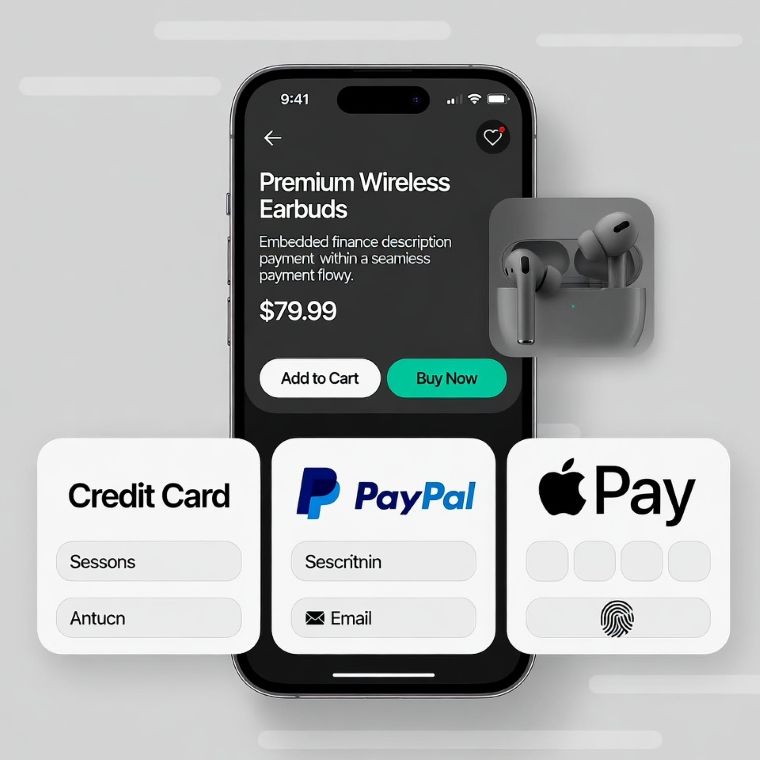
One of the strongest drivers behind this shift is embedded finance, which allows customers to access financial products directly within familiar digital services. Instead of switching between separate applications, users can pay, finance purchases, insure products, or manage subscriptions without leaving an e-commerce site, ride-hailing app, or software platform. Reports from Accenture suggest that this integrated approach improves customer convenience while creating new revenue opportunities for businesses.
How Financial Services Became Part of Everyday Platforms
Digital platforms have evolved beyond their original purpose. Online retailers now offer installment payments, travel websites provide insurance during booking, and business software includes invoicing with integrated payment processing. Findings from Juniper Research indicate that consumers increasingly prefer these streamlined experiences because they reduce friction during transactions.
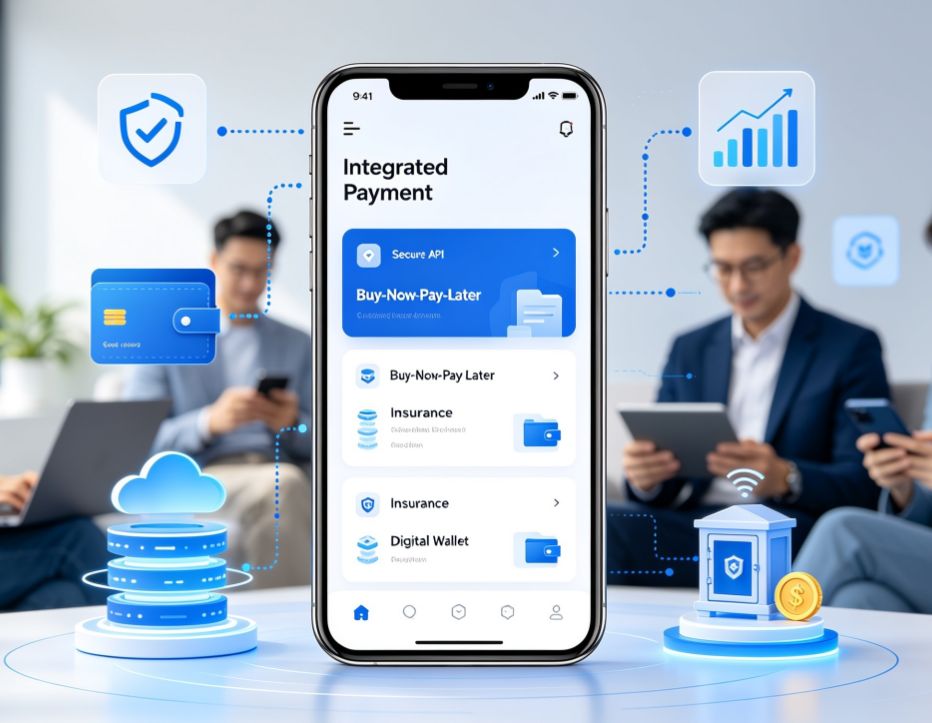
The technology behind this transformation relies heavily on application programming interfaces, cloud computing, and secure payment infrastructure. These technologies enable licensed financial institutions to connect their services with third-party platforms while maintaining compliance with industry standards.
Benefits for Businesses and Consumers
Companies gain several advantages by integrating financial capabilities into their existing products. Additional services encourage customer loyalty, increase transaction volumes, and create new income streams beyond traditional product sales. Research published by Deloitte notes that businesses offering integrated payment and financing options often strengthen customer engagement through more convenient purchasing experiences.
Consumers benefit from greater convenience and faster decision-making. Purchasing a product with financing, protecting it with insurance, or completing identity verification can happen during a single digital session. This reduces the need to complete repetitive forms across multiple providers while simplifying the overall customer journey.
Regulatory and Technical Considerations
Despite its advantages, integrating financial products into non-financial platforms introduces significant responsibilities. Financial services remain subject to regulations covering consumer protection, privacy, anti-money laundering requirements, and cybersecurity. Experts at the Bank for International Settlements emphasize that technology companies and financial institutions must clearly define responsibilities when delivering these services together.
Security remains another major priority. Data indicates from the World Economic Forum that growing digital connectivity increases exposure to cyber threats, making encryption, identity verification, and continuous monitoring essential components of financial technology ecosystems.
Future Outlook
The expansion of integrated financial services is expected to continue as consumers seek faster and more convenient digital experiences. Advances in artificial intelligence, open banking, and real-time payment networks will likely support even deeper connections between financial providers and digital platforms. Studies published by the Organisation for Economic Co-operation and Development (OECD) suggest that responsible innovation, combined with effective regulation, will play an important role in maintaining trust as these services become more widespread.
Financial capabilities are steadily becoming a standard feature of many digital products rather than a separate destination. Organizations that balance innovation with security, transparency, and regulatory compliance will be better positioned to meet changing consumer expectations while supporting a more connected digital economy.